No. Local ad targeting is set by radius, ZIP code, and city inside the ad platform, so it works the same regardless of where the team sits. What actually matters is whether they research your local market and your local competitors.
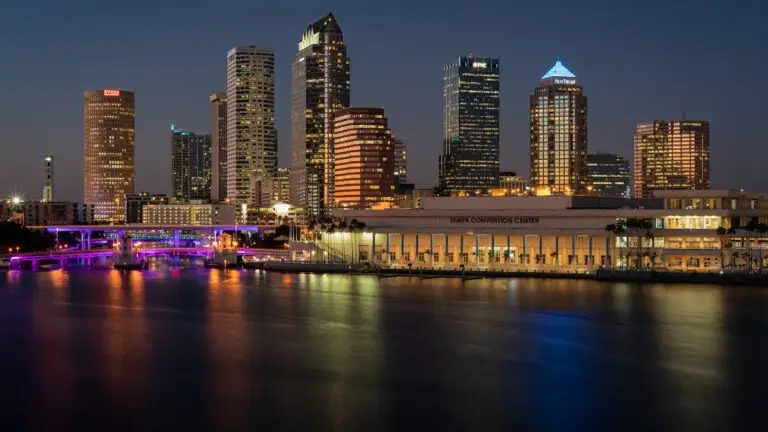
This objection comes up on almost every first call. A plumber in Tampa, a dentist in Winter Park, a med spa in Fort Lauderdale: each one wants to know whether hiring an agency from another city means their ads will miss the neighborhood. The platforms do not know where the person managing the account is sitting. They know where your customer is.
That said, a few parts of local marketing do need boots on the ground. Knowing which parts keeps you from overpaying for proximity.
Key Takeaways
- Ad delivery is controlled by targeting settings (radius, ZIP, city, exclusions), not by the agency’s office address.
- Google and Meta serve ads based on the user’s location signals, so a team in Orlando and a team in Denver can run identical local campaigns.
- Local market research is the real variable: competitor offers, service area limits, seasonality, and the words your customers use.
- Only a few tasks require presence: photo and video shoots, community events, and occasional on-site audits.
- Vet agencies on process and research, not on their ZIP code.
How Does Local Ad Targeting Actually Work?
Every major ad platform decides who sees your ad using signals from the user: device GPS, IP address, Wi-Fi network, the address on their account, and the place names they type into search. Your agency’s location is not one of those signals. It is not an input at all.
Radius targeting
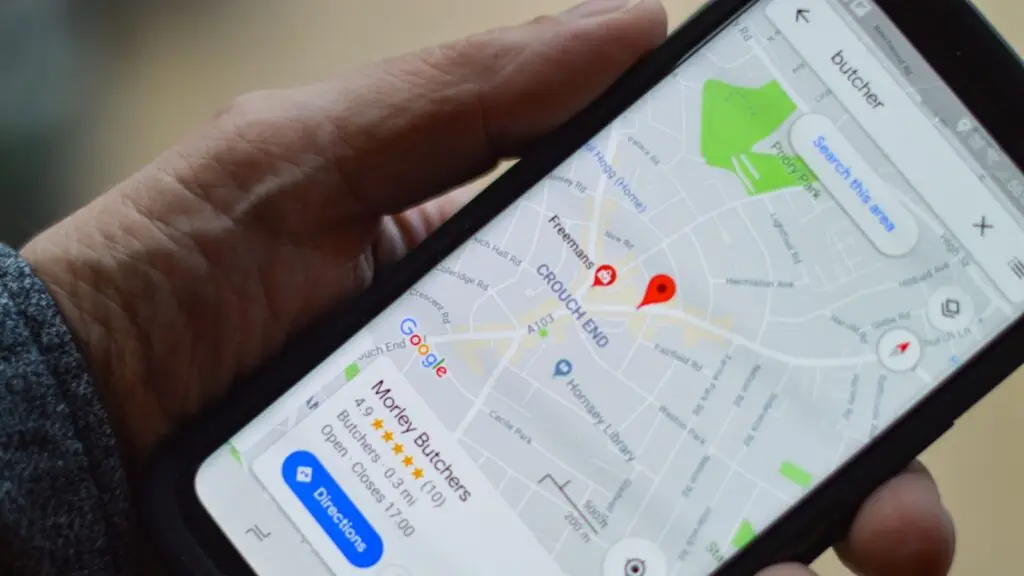
You drop a pin on a map, usually your storefront, and set a distance around it, for example 12 miles. Anyone inside that circle is eligible. This fits businesses defined by drive time rather than city lines. A practice near a busy interstate might pull from 20 minutes away in one direction and 8 in the other, so a radius is a starting point, not a final answer.
ZIP code and city targeting
Instead of a circle, you load a list of specific ZIP codes, cities, counties, or metro areas (Google calls the last one a DMA). This wins when your service area follows real boundaries: a home services company that will not cross a county line, or a clinic that wants the three affluent ZIPs next door but not the industrial corridor.
Location exclusions
This is the setting most small businesses never touch, and it usually saves the most money. You can exclude specific ZIPs, cities, or regions inside a broader target. Common uses:
- Cutting a neighboring city you are not licensed to serve.
- Removing tourist zones that generate calls you cannot convert.
- Excluding areas covered by another location of your own brand.
- Blocking regions that historically produce spam form fills.
Presence versus interest
Google Ads lets you choose between reaching people physically in your target area and people merely interested in it. That default has burned a lot of advertisers, because “interested in” can serve your ad to someone in another state who typed your city name. For most local service businesses, presence is correct. Meta offers a similar control.
All of it lives in an interface anyone with account access can open. Delivery is a configuration, not a geography.
Does an Agency’s Office Address Change Ad Delivery?
No. The address attached to an ad account affects billing currency, tax treatment, and the default time zone on reports. It does not affect the auction, reach, cost per click, or who sees the ad. Google gives no preference to advertisers whose agency is nearby, and Meta has no such mechanism either.
Local presence does carry weight in organic local search, but the signal there is your business address, not your agency’s. Proximity, relevance, and prominence drive the map pack, which is a separate discipline from paid ads. We break that down in our guide to local SEO for small businesses.
What Actually Changes Local Ad Results?
If geography is not the variable, research is. A team that studies your market beats a team that happens to live in it but never looks past the dashboard. Serious local research covers:
- The real competitor set. Who bids on your terms, what their offers promise, and how their landing pages handle price and availability.
- Service area truth. How far customers will actually drive, which is usually narrower than the owner assumes.
- Local vocabulary. “AC repair” versus “HVAC,” “dentist near me” versus “emergency dentist,” plus the neighborhood names no keyword tool surfaces cleanly.
- Seasonality. Hurricane season, snowbird months, and school calendars all shift demand.
- Lead handling windows. Ads running when nobody answers the phone are just paid voicemail.
- Price expectations. What the market tolerates before it bounces off your quote.
None of that requires driving past your storefront. It requires interviews, competitor analysis, search data, and call review. An agency that skips the work underperforms whether it is down the street or across the country. For a wider view of the tradeoff, see local versus remote marketing agency.
OCA11 Agency
Let’s grow your business
Get a free strategy call with our Google & Meta Partner team. No fluff, no pressure.
Which Local Marketing Tasks Genuinely Need Physical Presence?
Here is the honest split. Some work benefits from someone being there. Most does not.
| Task | Needs Physical Presence? | Why |
|---|---|---|
| Local ads (Google, Meta) | No | Delivery is set by radius, ZIP, city, and exclusions inside the platform. |
| Google Business Profile | No | Categories, hours, posts, and review replies are managed remotely. Only verification touches your address, and you handle that once. |
| Local SEO | No | Rankings follow your business address, citations, reviews, and on-page relevance. The agency’s address is not a ranking factor. |
| Photo and video shoots | Yes | Someone must be in the room with a camera. Usually solved with a local crew directed remotely. |
| Community events and sponsorships | Yes | Booths and chamber meetings need a person. Planning and promotion do not. |
| In-store or on-site audits | Occasionally | Signage and front-desk scripts are best judged in person, but this is an annual exercise, not a monthly need. |
| Landing pages and creative | No | Design, copy, build, and testing are fully digital. Local input comes from a call, not a commute. |
The only “yes” rows are content capture and community work. Everything that moves your cost per lead sits in the “no” column, which is why we treat paid search and Google Business Profile optimization as remote-native disciplines and hire local crews when a shoot is the right call.
When Does Hiring a Local Agency Actually Make Sense?
There are real cases. Be honest about whether yours is one:
- You want in-person content capture at your location every week or two.
- Your growth plan leans on local events, sponsorships, and chamber relationships.
- You know you will not engage with a remote team, and a monthly office visit keeps you accountable.
- The agency’s own local network sends you referrals.
If none of those apply, proximity is a preference, not a requirement, and it often costs you range. A small local shop may cover fewer channels with less depth than a distributed senior team. Our breakdown of the best marketing channels for local businesses is a useful check on what you actually need staffed.
Either way, skip the office tour and test the thinking. Ask any agency these six questions and listen for specifics:
- What radius or ZIP list would you start with for my business, and why that one?
- Which competitors are running ads on my main service terms right now?
- Presence or presence-and-interest targeting, and what is the tradeoff?
- What would you exclude on day one?
- How will you learn my market’s seasonality in the first 60 days?
- What happens to my campaigns when my phone lines are closed?
An agency two miles away that fumbles these is worse for you than a team three time zones out that answers them cleanly.
Frequently Asked Questions
Will my ads reach fewer local people if my agency is out of state?
No. Reach is determined by your targeting settings and your budget, not by the agency’s address. If the radius, ZIP list, and location option are set correctly, delivery is identical whether the account is managed from the next block or from another state.
Does Google favor agencies located near the business?
No. The Google Ads auction weighs your bid, ad quality, expected click-through rate, and landing page experience. Agency location is not a factor. In organic local results proximity does matter, but it is your business address that counts, not your agency’s.
Can a remote team manage my Google Business Profile?
Yes. Categories, services, hours, photos, posts, questions, and review responses are all handled through the dashboard. The only step tied to your physical location is verification, which the owner completes once by postcard, phone, or video check.
What about photos and video of my business?
That is the one area where someone has to show up. The usual fix is a vetted local photographer working from a shot list your agency provides, with editing and deployment handled remotely. That costs far less than retaining a local agency for this reason alone.
How do I know an out-of-town agency understands my market?
Ask for their research process before you sign. A serious team will name your competitors, propose a specific targeting map, explain their exclusions, and describe how they will validate seasonality in the first 60 days. Vague answers signal a vague process, local or not.
The Bottom Line
OCA11 is a U.S. company, an LLC based in Orlando, Florida, with a distributed senior team running Google Ads, Meta Ads, social, video, and landing pages for small businesses and service providers. We are a Google Partner and a Meta Partner. Our position here is simple and testable: the geography of the team does not change ad delivery, but market research does.
Proximity feels like a proxy for care, but the platforms do not reward it and your cost per lead does not reflect it. If you want to see how we would target your market, including the ZIPs we would run and the ones we would cut, book a meeting with our team and we will walk you through it before you commit to anything.